





Criminal charges transform ordinary citizens into defendants facing the full weight of the South Carolina justice system. When law enforcement officers place handcuffs on your wrists, when prosecutors file formal charges against you, and when judges set bail amounts that strain your finances, you need more than hope. You need experienced legal representation that knows how to fight for your rights and protect your future.
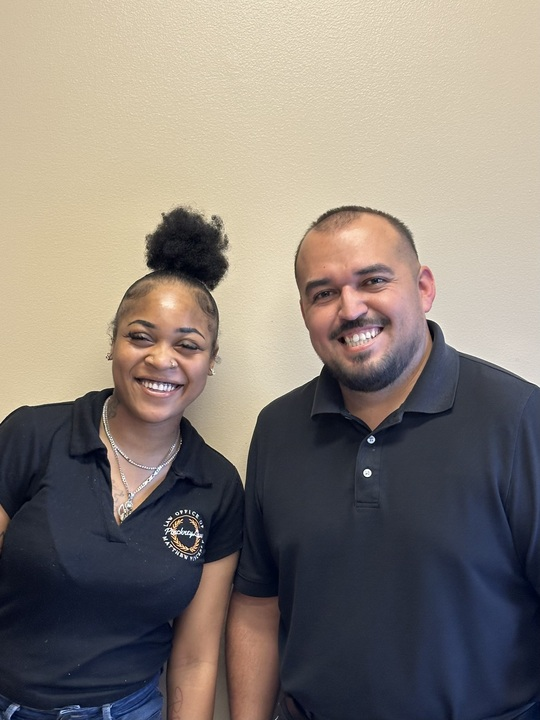
The Law Office of Matthew P. Pinckney stands ready to defend clients throughout South Carolina. Our criminal defense attorneys have built careers on protecting the accused and securing favorable outcomes in even the most serious cases. We know that criminal charges affect every aspect of your life, from employment opportunities to housing applications, and professional licenses to personal relationships. Contact our Greenwood criminal defense lawyers today for a confidential consultation about your case and learn how our criminal defense lawyers can help protect your rights and freedom.
The South Carolina Criminal Justice System
South Carolina operates under a complex criminal justice system that processes thousands of cases each year. The state divides criminal offenses into misdemeanors and felonies, with each category carrying different penalties and procedures. Generally speaking, felonies are considered to be much more serious offenses (such as murder) that carry lengthy prison terms and substantial financial penalties. Misdemeanor charges, while still serious, are viewed as less serious than felonies and carry a maximum prison sentence of up to three years.
The criminal justice process typically begins when law enforcement officers investigate suspected crimes. As a result of the investigation, officers may then arrest individuals suspected of committing the crimes. After an arrest, prosecutors then review evidence and decide whether to proceed with prosecution or dismiss charges.
Defendants have constitutional rights throughout this process. These include the right to remain silent, the right to legal representation, and the right to a fair trial. However, exercising these rights effectively requires knowledge of criminal law and courtroom procedures that most non-lawyers do not possess. You need an experienced Greenwood, SC criminal defense attorney on your side.
Practice Areas We Handle
Our criminal defense practice covers a comprehensive range of charges. Each type of case presents unique challenges and requires specific legal strategies tailored to the circumstances involved.
Domestic Violence Defense
Domestic violence offenses in South Carolina are governed by S.C. Code § 16-25-20 and § 16-25-65. The law defines multiple degrees of domestic violence based on injury, threat level, and prior convictions. Notably, South Carolina’s criminal domestic violence statute applies to “household members.” That term is defined as current or former spouses, persons who share a child, or individuals who presently or formerly cohabited.
What is domestic violence? In Greenwood and elsewhere in South Carolina, it occurs when an individual causes physical harm or attempts physical harm to a household member under circumstances that create a fear of imminent danger. A key thing to know is that South Carolina recognizes several degrees of domestic violence:
- Third-Degree Domestic Violence: Third-degree domestic violence is a misdemeanor offense punishable by up to 90 days in jail (S.C. Code § 16-25-20(D)). It involves physical harm or attempted physical harm to a household member.
- Second-Degree Domestic Violence: Second-degree domestic violence is a misdemeanor offense punishable by up to three years in prison (S.C. Code § 16-25-20(C)). It involves moderate bodily injury, violation of a protection order, or committing third-degree domestic violence with some aggravating factor such as committing the act in the presence of a child.
- First-Degree Domestic Violence: First-degree domestic violence is a felony offense. It generally involves great bodily injury, use of a firearm, or another aggravating factor. It is punishable by up to ten years in prison (S.C. Code § 16-25-20(B)).
- Domestic Violence of a High and Aggravated Nature (DVHAN): This is the most serious domestic violence offense in South Carolina. DVHAN is a felony offense under S.C. Code § 16-25-65 that carries a maximum sentence of 20 years in prison. It involves showing extreme indifference to human life, which includes use of a deadly weapon, choking, and committing the offense against a pregnant woman.
Criminal Sexual Conduct Defense
Criminal sexual conduct (CSC) is one of the most serious categories of felony offenses under South Carolina law. These crimes are defined in S.C. Code § 16-3-651 through 16-3-654. That law establishes three primary degrees of CSC based on the commission of a sexual battery and the presence of any aggravating factors.
The term “sexual battery” is statutorily defined as sexual intercourse, cunnilingus, fellatio, anal intercourse, or any intrusion, however slight, of any part of a person’s body or object into another person’s genital or anal openings, except when it is performed for legitimate medical purposes.
Here is an overview of the degrees of criminal sexual conduct charges in South Carolina:
- First-Degree Criminal Sexual Conduct (S.C. Code § 16-3-652): First-degree CSC occurs when a sexual battery is accomplished through aggravated force, when the victim is also the victim of a kidnapping, burglary, or similar crime, or when the victim is rendered physically helpless by a controlled substance. The offense is a felony that is punishable by up to 30 years in prison.
- Second-Degree Criminal Sexual Conduct (S.C. Code § 16-3-653): Second-degree CSC involves sexual battery accomplished by the threat of extreme violence. It carries a potential sentence of up to 20 years.
- Third-Degree Criminal Sexual Conduct (S.C. Code § 16-3-654): The third-degree offense applies when the sexual battery is accomplished through use of force or coercion absent aggravating factors, or when the perpetrator knows the victim is incapable of consent due to mental deficiency or incapacity. It is punishable by up to 10 years in prison.
Note: In South Carolina, there are special statutes that govern criminal sexual conduct with minors (S.C. Code § 16-3-655). The law classifies these offenses according to the age of the child, with enhanced penalties (including potential life imprisonment or even the death penalty) for sexual battery against children under eleven.
DUI Defense
Driving under the influence (DUI) is one of the most common criminal charges in South Carolina. South Carolina law prohibits driving motor vehicles while under the influence of alcohol, drugs, or any combination of substances that materially and appreciably impairs driving ability. The legal blood alcohol limit is 0.08% for most drivers and 0.04% for commercial vehicle operators.
Police officers use various methods to detect impaired driving, including field sobriety tests, breathalyzer machines, and blood testing. However, these testing methods are not infallible. Equipment malfunctions, improper calibration, medical conditions, and officer errors can all affect test results and provide grounds for challenging DUI charges.
Felony DUI and Reckless Homicide
A felony DUI charge is brought when a driver who is under the influence of alcohol and/or drugs causes great bodily injury or death to another person (S.C. Code § 56-5-2945). This charge can carry up to 25 years’ imprisonment. Felony DUI cases combine the complexity of DUI defense with the serious nature of a violent crime charge. Prosecutors must prove both impairment and causation, showing that the defendant’s impaired driving caused the injuries or death involved.
Reckless vehicular homicide is the charge brought against a person who drives with reckless disregard of the safety of others and causes the death of another (S.C. Code § 56-5-2910). Reckless homicide is a felony offense that carries up to ten years imprisonment.
Defending against both felony DUI and reckless homicide charges includes examining accident reconstruction reports, medical records, and witness testimony to challenge the elements.
Driving Under Suspension
Driving with a suspended license is a common charge that can quickly escalate into serious legal problems. South Carolina suspends driver’s licenses for various reasons, including DUI convictions, failure to pay fines, accumulation of points, or failure to maintain required insurance coverage. Many people continue driving out of necessity, not realizing the legal risks involved.
Multiple violations can result in increasingly severe penalties, including vehicle forfeiture and extended license suspensions that make it even more difficult for defendants to restore their driving privileges legally.
Financial Identity Fraud
Financial crimes involving identity theft and fraud have become increasingly common in the digital age. South Carolina law criminalizes various forms of financial fraud. These complex cases often involve detailed financial records and electronic evidence that require careful analysis.
Different types of financial identity fraud cases include:
- Credit card fraud involving unauthorized use of payment cards
- Check fraud, including forgery and passing bad checks
- Identity theft using another person’s personal information
- Computer crimes involving unauthorized access to financial systems
Penalties for financial crimes can include restitution payments to victims, substantial fines, and significant prison time. Federal agencies may also become involved when fraud crosses state lines or involves federal programs.
Murder Defense
South Carolina law distinguishes between several types of homicide, each carrying very different penalties and requiring distinct legal defenses. These offenses include murder, voluntary manslaughter, and involuntary manslaughter.
Murder is when an individual deliberately kills another person with “malice aforethought” or, in other words, with planned, harmful intent (S.C. Code § 16-3-10). It is one of the most serious crimes in the state and carries a mandatory minimum sentence of 30 years up to life imprisonment or even the death penalty in certain cases.
Voluntary manslaughter occurs when a person unlawfully kills another in the heat of passion, without malice, upon sufficient legal provocation (S.C. Code § 16-3-50). While still a grave offense, the absence of malice reduces the penalty to 2 to 30 years in prison.
Involuntary manslaughter involves the unintentional killing of another caused by criminal negligence, which is defined as reckless disregard for the safety of other people, and is punishable by up to 5 years in prison (S.C. Code § 16-3-60).
Defending against homicide charges requires a meticulous examination of the facts, evidence, and intent behind the alleged act. Effective defense strategies may include challenging the credibility of witnesses, disputing forensic or circumstantial evidence, asserting self-defense or defense of others, proving lack of intent or malice, or arguing for reduced charges where appropriate. Every case is unique, and an experienced criminal defense attorney can develop a strategy tailored to the specific circumstances to protect your rights and your future.
Drug Crime Defense
Drug charges in South Carolina range from simple possession of small amounts of marijuana to trafficking in large quantities of various controlled substances. The state categorizes drugs into schedules based on their medical value and potential for abuse, with different penalties applying to each schedule.
Law enforcement agencies use various investigative techniques in drug cases, including surveillance, informants, controlled purchases, and search warrants. Common drug charges that our firm handles include:
- Simple possession of controlled substances for personal use
- Possession with intent to distribute based on quantity or packaging
- Manufacturing or cultivation of controlled substances
- Trafficking charges involving specific weight thresholds for different drugs
We examine whether officers followed proper procedures and whether evidence was obtained legally. Illegal searches and seizures can result in suppression of evidence and dismissal of charges.
Assault and Battery Charges
Assault and battery charges encompass a wide range of conduct involving physical contact or threats of physical contact with other people. Assault involves threatening someone with immediate physical harm, while battery requires actual physical contact. Assault and battery offenses are governed by S.C. Code § 16-3-600. South Carolina law distinguishes between different degrees of assault and battery offenses based on factors such as the severity of injuries.
Self-defense claims are common in assault and battery cases. South Carolina has enacted the Stand Your Ground law, which removes the duty to retreat before using force to defend oneself in certain situations.
Immigration Defense
Criminal convictions can have severe immigration effects for non-citizens living in the United States. Certain crimes are classified as aggravated felonies or crimes involving moral turpitude under federal immigration law, potentially leading to deportation, denial of citizenship applications, or bars to re-entry into the country.
Our criminal defense lawyers assess the potential immigration effects of criminal charges and develop defense strategies that minimize these risks. This may involve negotiating plea agreements to lesser charges that do not trigger adverse immigration outcomes or fighting cases at trial to avoid convictions altogether.
Building Your Defense Strategy
Effective criminal defense begins with a thorough investigation of the charges and evidence against you. Our criminal defense lawyers review police reports, witness statements, physical evidence, and electronic records to identify weaknesses in the prosecution’s case. We also investigate potential defenses and mitigating factors that may reduce charges or penalties.
The discovery process allows defense attorneys to obtain evidence from prosecutors and law enforcement agencies. This includes incident reports, laboratory results, witness lists, and any exculpatory evidence that might support the defense case. Pre-trial motions can resolve many issues before the trial begins, including motions to suppress evidence obtained through illegal searches or motions to dismiss charges based on procedural defects.
Sentencing and Post-Conviction Options
Criminal sentencing in South Carolina follows guidelines that consider both the severity of the offense and the defendant’s criminal history. Judges have discretion within these guidelines to impose appropriate sentences based on the specific facts of each case and any mitigating or aggravating factors present.
Sentencing alternatives may include probation, community service, drug treatment programs, or other rehabilitative measures. The appeals process provides another opportunity to challenge criminal convictions and sentences based on legal errors that occurred during the trial process.
Expungement may be available for certain types of criminal records, allowing qualified individuals to have their records sealed or destroyed. South Carolina law provides expungement procedures for various situations. Available expungement options include:
- Dismissed charges that did not result in a conviction
- Certain misdemeanor convictions after waiting periods
- Some felony convictions under specific circumstances
- Juvenile records that meet statutory requirements
Why Choose Our Team
Experience matters when facing criminal charges. Our criminal defense attorneys have handled thousands of criminal cases and developed the skills and knowledge necessary to help try to achieve the best possible outcomes for our clients.
Client communication is a priority at Pinckney Law. We keep clients informed throughout the legal process, explaining developments in their cases and answering questions about potential outcomes and strategies. Key advantages of choosing our firm include:
- Extensive experience handling all types of criminal charges
- In-depth knowledge of South Carolina criminal law and local procedures
- Commitment to thorough case preparation and aggressive advocacy
Contact Us Today
Criminal charges require immediate attention from experienced legal professionals. Evidence disappears, witnesses become unavailable, and procedural deadlines approach quickly. The sooner you contact an attorney, the more options may be available for defending your case and protecting your future. A proactive approach is a must.
Do not let criminal charges define your life or limit your opportunities. Contact Pinckney Law today to schedule a confidential consultation about your case and learn how our criminal defense lawyers can help protect your rights and freedom.